Breaking the reactive loop · Rui Santos Couto on becoming a strategic facilities manager
Start learning about it now, talk to people who've already been through it, and get going.

Start learning about it now, talk to people who've already been through it, and get going.
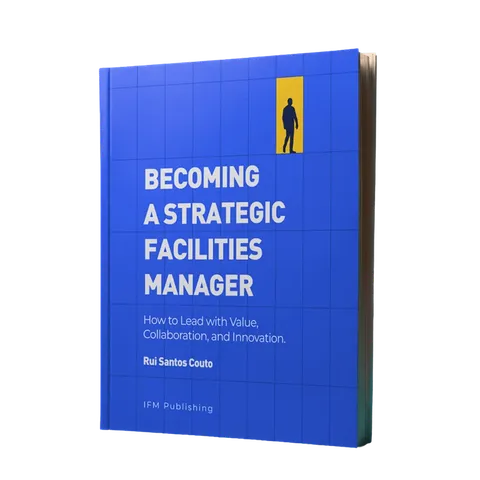
It's time to break the reactive loop. Becoming a Strategic Facilities Manager shows you how.
 Learn more
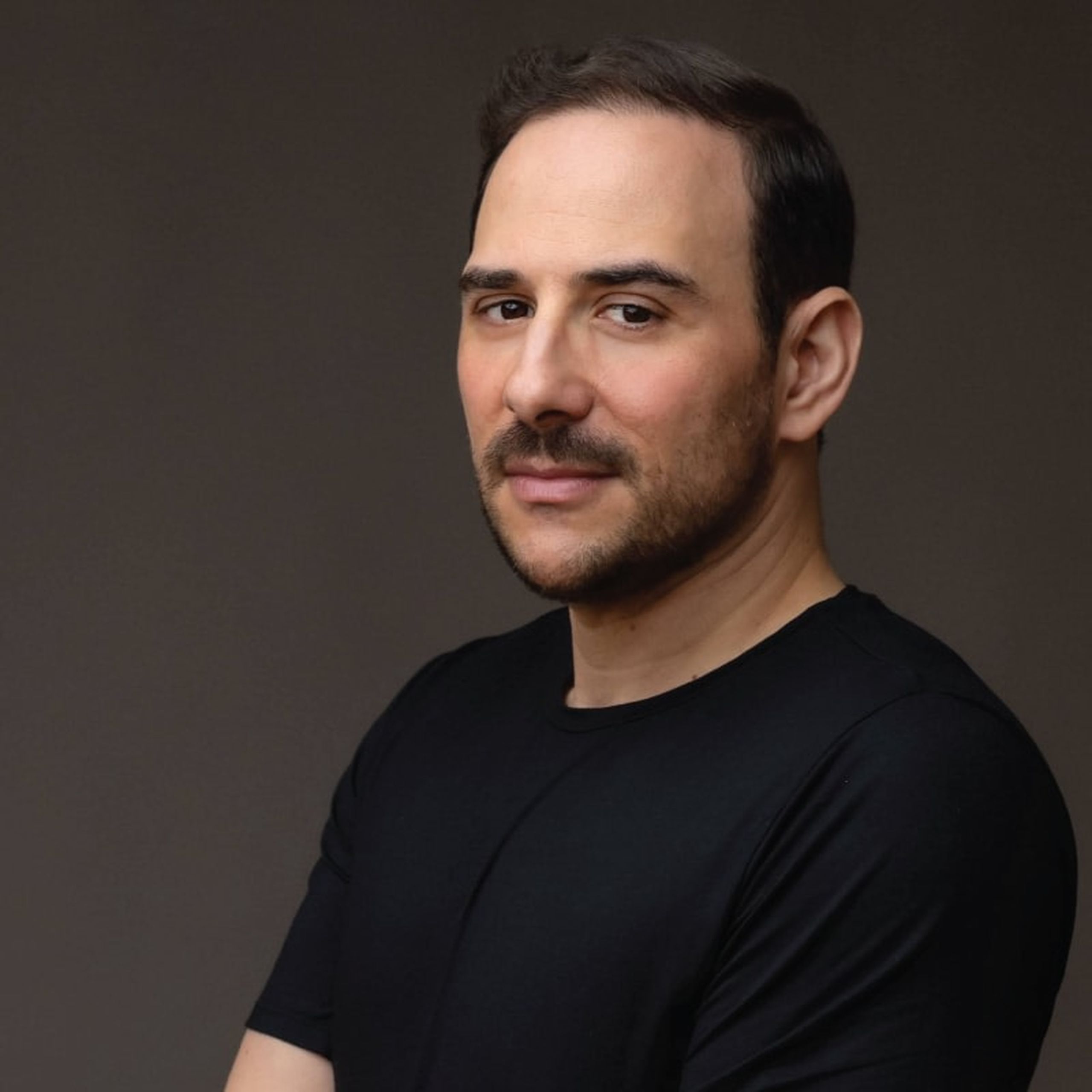
At this year's IFM event, our CMO Rui Santos Couto sat down with the team at Penguin Facilities Management for their podcast. Ten years at Infraspeak gives him a fair vantage point on how the job has changed, and the conversation covered most of it: the move from records to prediction, why the C-suite still files FM under "cost centre", and why most digital transformation projects quietly fall over. It's also a first look at the thinking behind his book, Becoming a Strategic Facilities Manager, out in July 2026.
Watch the full conversation below, or read the highlights that follow.
Rui has been at Infraspeak since the early days, when the whole point was to build a better system of records. His description of what the market ran on back then is hard to improve: "Excel spreadsheets on asteroids." One of the first jobs was fixing that.
The platform's early claim to fame was NFC tags for identifying equipment, built by one of the founders while still at university, and the first of its kind in any FM system. Then 2019 arrived, Infraspeak put a dedicated team on AI and machine learning, and the product started moving towards prediction. The role of the facilities manager shifted over the same stretch, which is really what the rest of the conversation is about.
Rui calls himself an FM evangelist, and he means the advocacy part literally. Facilities management still gets read as a cost centre by a lot of C-level executives, and that framing decides how much room FM gets to do anything beyond firefighting.
Changing it cuts both ways. Executives need to understand what FM actually does to the business. Facilities managers need to learn to talk in the language the boardroom uses. That means tying the operation to the goals the organisation already cares about: if the company wants more revenue, show how FM helps generate it; if it wants better productivity across an office, a shopping centre or an airport terminal, show how FM moves that number. The vehicle for all of it is a proper business case, with the data and KPIs tied straight to organisational goals.
He heard the same thing from the end-user FMs at the event. Asked what one thing they'd change about their organisation, the most common answer was that the key decision-maker, the person who isn't an FM, would understand FM better.
FM generates enormous amounts of data: from people, assets, suppliers and contractors. Rui breaks the work into layers. First, you collect it and structure it properly, with categories that hold up. That's the basics. Then you process it, turning raw data into something usable.
Reports and dashboards are the obvious output, and also the trap. As he put it, it's great having a sexy dashboard, but not if nothing comes out the other end. The layer he's most interested in is what different teams actually do with the data, including the operation itself: HVAC systems and operational teams feeding the platform so the workflow runs automatically, rather than waiting for someone to notice.
In the UK, budgets, the economy and recession pressure have pushed a lot of teams back into reacting. Emergencies land, quick fixes get applied, and there's never any space left to think about the operation as a whole. That's the loop, and it keeps spinning because being stuck in it removes the one thing that would get you out: time to be strategic.
His book includes an FM strategy framework as the practical way out. You set out how you operate today, your vision for the operation, your goals, your key activities, your trade-offs (the things you deliberately won't do), and what you'll deliver. Once that structure exists, you can look at the operation from above, "like a bird", and start breaking the chain that keeps the loop going.
Asked whether FM's problem is data, leadership or culture, Rui lands on mindset. Keeping the lights on is not the mission, and treating it as such keeps a team reactive.
The real mission depends on where you work. In an office, it's a workspace good enough that people want to spend quality time there and get more done. In retail, it's an experience that keeps people in the shop for longer and spending more. In healthcare, it's the conditions that let clinicians deliver care and make people feel safe. Reframe the job that way and the reactive habit starts to look like what it is. Doing that at scale takes a culture change across the team, the individual and eventually the whole organisation.
Rui is blunt about the hype: AI is not going to fix every FM problem overnight. The useful first step is using your data to automate the processes that eat time. The next step is already here, which is predictive facilities management. The industry moved from corrective and reactive maintenance to planned maintenance, and it's now moving to prediction.
His example makes the point concrete. If the system tells you a piece of equipment has an 85% chance of failing next week, that's the moment to act: not last week, not the week after. Predictive FM changes when and how decisions get made, and teams need to be ready for it.
Rui cites a figure he'd been discussing that morning: around 80% of companies fail at digital transformation. The reason is almost always the same. People think they're buying a piece of technology when what they actually need is a transformation project.
The customers who treat it as one, with a real project management approach and a serious commitment to change, succeed. The ones who assume the software will fix everything on its own are the ones who fail, because the technology changed and the people didn't.
FM is full of people who built their careers on the tools: engineers who moved up into management, into director roles, sometimes into owning the business. The worry is that going strategic means leaving that expertise behind.
Rui's answer is the opposite. Becoming strategic adds skills rather than replacing them, and it's built on the experience you already have. The people who stay purely operational are the ones at risk of wasting what they've learned. His advice on where to start is specific: begin as an engineer who understands how assets and buildings actually work, and learn to speak the operational team's language, which he reckons is harder to master than the boardroom's. Add the business and management side on top of that, and you end up with, in his words, "superpowers".
He expects the next generation of FM leaders to be more business-oriented and closer to the executive table, partly because top management is already asking for it. The difficult conversations are where things start to change.
Asked for a single takeaway for anyone listening on their commute, Rui kept it to an action. Don't procrastinate. It's not a next-year problem, or a next-Monday one, or something for September. Start learning about it now, talk to people who've already been through it, and get going.


)
)
)