The 'FM hero' keeps facilities management stuck in rescue mode
When FM only shows up once something has already broken, broken things become the only thing it gets measured on.
When FM only shows up once something has already broken, broken things become the only thing it gets measured on.

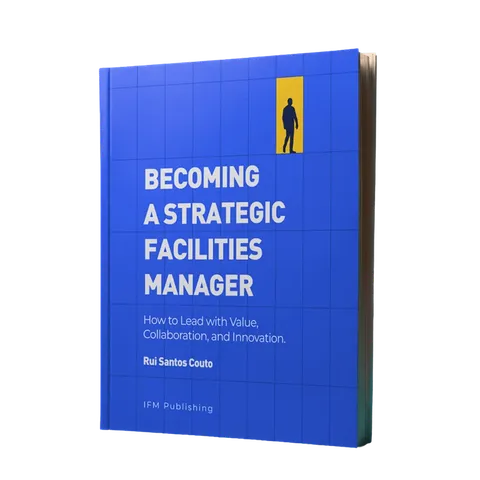
It's time to break the reactive loop. Becoming a Strategic Facilities Manager shows you how.
 Learn more
Every FM team has a hero moment. A pump fails on a Friday, the team pulls a late one, and by Monday, everyone's grateful. For a day or two, facilities management is the most important function in the building. Then the drama fades, and FM slides back out of view until the next thing breaks.
We're not knocking the skill. Solving a complicated problem at the last minute is a real talent, and it's worth having. The trouble is that the "heroes of FM" story rewards a bad setup. It keeps the function in rescue mode, where it gets judged on how well it cleans up damage rather than on whether that damage was avoidable in the first place. Rescue work is loud, so it pulls attention towards the fire and away from the decision that lit it.
When FM only shows up once something has already broken, broken things become the only thing it gets measured on. The reactive loop keeps spinning: something fails, the team saves the day, everyone moves on, and then the next thing fails.
Most FM leaders know where this leads. The company signs off on new assets, picks new suppliers, opens a new site, and nobody thinks to involve facilities. FM meets those assets later, once they start failing. By then, the only job left is rescue.
Getting better at firefighting won't change any of this. FM has to be in the room before a fire can occur.
It means a seat at the table for capital decisions before the budget is signed off, and a place at the table when the company chooses suppliers or renews a contract. The team that will maintain an asset for the next ten years has something worth hearing about, which asset to buy in the first place. Bring them in early, and the decisions get better: you buy a kit that costs less to run, and you sign suppliers who can actually deliver on the contract. That's the difference between FM as a line item on the cost sheet and FM as a way to control operational costs.
None of this means giving up the ability to handle a crisis. Keep the superpower. Just stop building the whole function around the need for it.
An FM team that gets consulted early spends less time rescuing and more time preventing emergencies in the first place. Lose the cape, and Sandra gets an ordinary, uneventful Tuesday, which in FM is what a good week actually looks like.
Put FM in the room where those decisions get made. That's where the reactive loop finally breaks.


)
)
)