Multi-site retail facilities: “Customers don’t average out your stores”
Managed well, multi-site retail facilities have a direct impact on margin, customer experience and brand image

Managed well, multi-site retail facilities have a direct impact on margin, customer experience and brand image
It's time to break the reactive loop. Becoming a Strategic Facilities Manager shows you how.
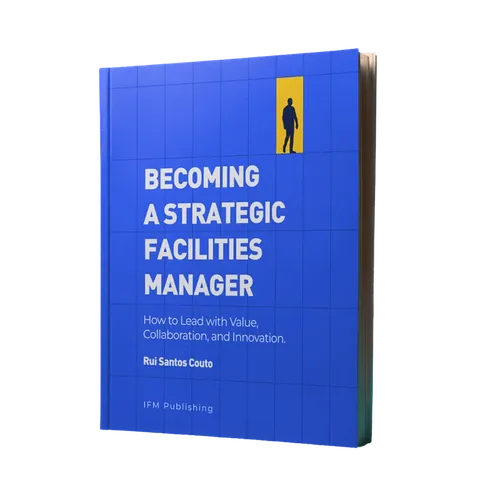 Learn more
A few weeks before Tech for Retail, the European retail show taking place on 30 November and 1 December 2026 at Paris Expo Porte de Versailles, we spoke to Rui Santos Couto, CMO at Infraspeak. His book Becoming a Strategic Facilities Manager has just been published in French. In it, he makes a simple case: managed well, multi-site retail facilities have a direct impact on margin, customer experience and brand image. AI can help get there faster, as long as it leads to better decisions.
Rui Santos Couto: Because people only notice it when it fails. Nobody in the boardroom congratulates the team because the cold rooms in all 200 stores made it through the summer. So the budget lands on the table as a line to cut.
In the book, I use the image of the FM Iceberg: 20% of what FM does is visible, 80% stays below the surface. Compliance, the real condition of assets, supplier performance, risks piling up… Until that submerged part is measured, leadership only sees the bill.
Takeaway: what leadership can't see, it ends up cutting.
R. S. C.: Everything the customer experiences in store goes through it. A cold room that gives up on a Saturday morning means stock in the bin and an empty aisle. A shutter stuck at opening time means a morning of lost sales. Air conditioning down in the middle of the sales means customers leave sooner (and say so on Google).
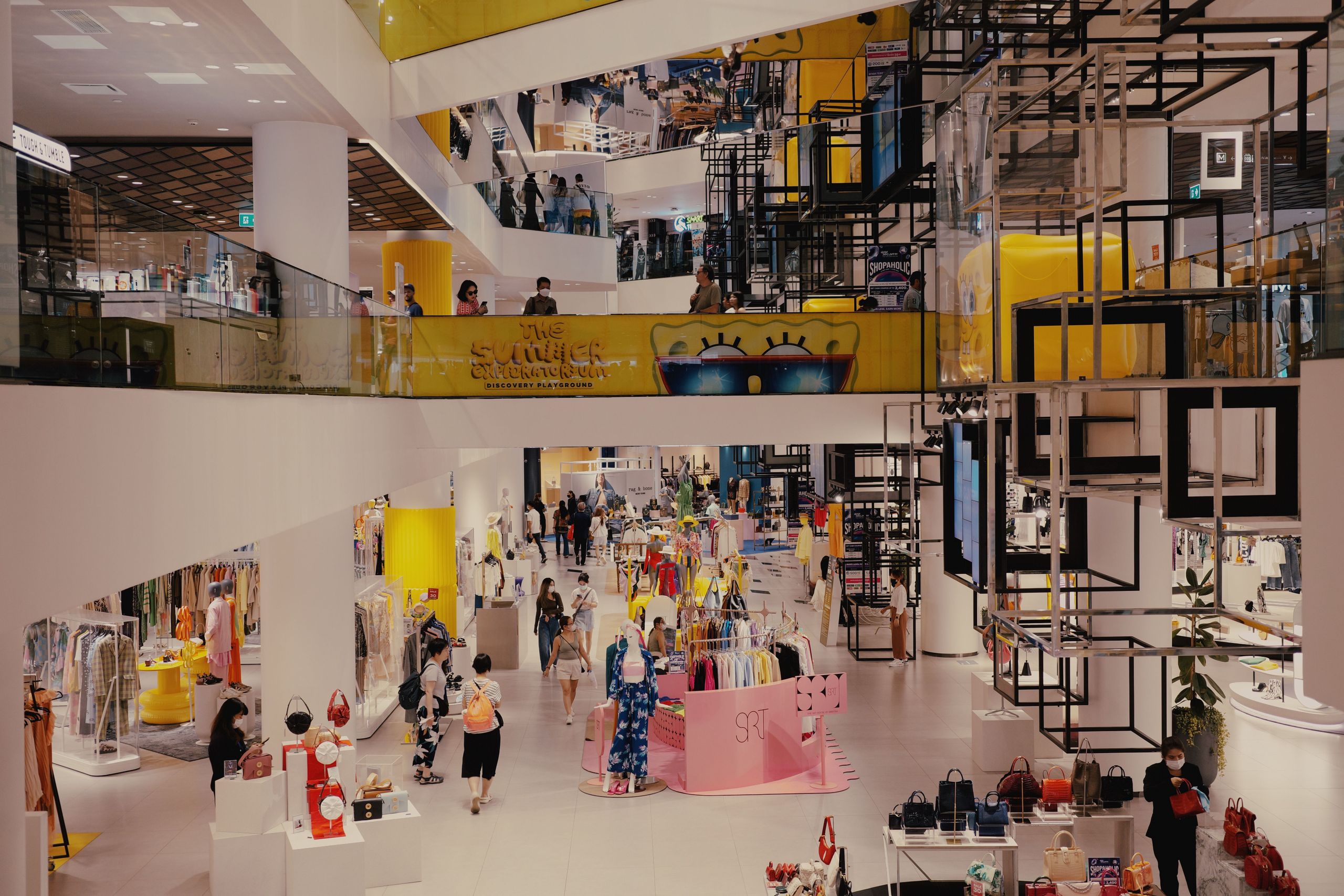
For a multi-site brand, brand image is at stake too. Customers don’t average out your stores. They judge the brand on the one they walked into, including the day the toilets are out of order.
And complexity grows with the network. Two hundred stores often means two hundred ways of reporting a fault: a phone call, an email, a WhatsApp to the technician everyone knows. The result: nobody at head office knows how much a store costs to maintain, or why some cost twice as much as others.
Takeaway: in retail, maintenance shows up in store revenue long before it shows up in the P&L.
R. S. C.: It needs to speak the language of the people sitting there. A CFO doesn’t react to the number of jobs completed. They react to OPEX, CAPEX, an asset’s total cost of ownership, quantified risk.
Take a common decision: refurbishing a store concept, or replacing a fleet of refrigerated cabinets. Made without the maintenance history, it can leave the brand paying for years for choices a simple repair-or-replace analysis would have avoided. Leadership often realises FM should have been in the room only after paying for its absence.
The book offers frameworks to build the business case, using data the maintenance team already has, just rarely in a form leadership can read.
Takeaway: FM earns its seat at the table the day it walks in with numbers leadership understands.
R. S. C.: I’m wary of the promise of an AI that fixes every FM problem overnight. In the book, I start from a formula: a decision is prediction, plus judgement, plus action. AI is very good at prediction. Judgement and action stay human.
Only 18% of FM tasks are theoretically exposed to AI. It won’t replace your technicians. What it can do is take a lot of the admin off their plate and give leadership a clear read of what’s happening across the network: which stores are drifting, which assets are nearing end of life, which suppliers aren’t meeting their deadlines.
The return comes when that read changes a decision: a budget reallocated, a replacement brought forward before the summer breakdown, a service contract renegotiated on facts.
Takeaway: AI is only worth something if it leads to a better decision, made earlier.
R. S. C.: By getting out of what I call the Reactive Loop: you fix what breaks, you never have time to prevent, so it breaks again. The book sets out a 90-day plan to break it. Three first steps you can take on Monday:
Centralise requests from every store in a single tool, so you stop running the network through messages and calls.
Pick two or three indicators leadership understands, such as maintenance cost per store or downtime on critical assets. Our article on maintenance indicators is a good starting point.
Plan preventive maintenance for the assets that lose you sales when they fail: refrigeration, air conditioning, access. Here’s how to build a preventive maintenance plan in 5 steps.
Only then does AI really make sense, because it's working on clean, complete data.
Takeaway: start by making maintenance visible. Strategy comes after.
To continue the conversation, find us at stand X15 · Infraspeak at Tech for Retail, on 30 November and 1 December 2026 at Paris Expo Porte de Versailles. Two good reasons to stop by:
See Infraspeak in action across a store network: centralised requests, preventive maintenance, supplier tracking and dashboards that translate maintenance into costs and risks, with Infraspeak Gear AI taking the admin off your team’s plate.
Leave with the book: we’re giving away 5 copies of Becoming a Strategic Facilities Manager in French.
You can book your badge now on the Tech for Retail website.
Facility management has changed. Expectations have evolved and the pressure on organisations has increased. Yet FM is still often managed as if time had stood still: focused on operational execution, disconnected from strategic decisions.
It's within this gap that frustration, risk and wasted effort grow.
The question is simple: will you keep managing FM as a support function, or are you ready to make it a strategic driver of your company?
Rui Santos Couto, Chief Marketing Officer at Infraspeak. Over the past decade, he has worked with FM leaders across Europe, Africa and Latin America, helping FM, Workplace and Corporate Real Estate (CRE) teams move from reactive execution to strategic leadership, and turn operational complexity into clear systems, data and decisions.
Infraspeak, the collaborative FM platform, helps maintenance and facility management teams run their day-to-day operations, from the store floor to head office. Founded in 2015 in Porto, Infraspeak supports more than 1,700 customers in over 40 countries and more than 380,000 buildings, in sectors such as retail, hospitality and healthcare.


