Contractor invoice reconciliation: check the job, not just the quote
Contractor invoice reconciliation that holds up: check each bill against the work order, its visits, parts and evidence, before it reaches finance.

Contractor invoice reconciliation that holds up: check each bill against the work order, its visits, parts and evidence, before it reaches finance.

It's time to break the reactive loop. Becoming a Strategic Facilities Manager shows you how.
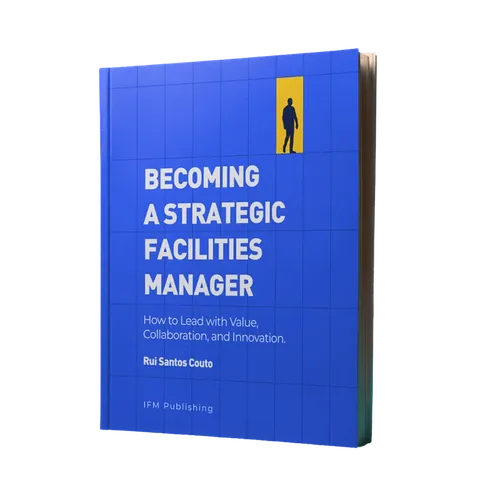 Learn more
Contractor invoice reconciliation means checking each contractor invoice against the completed work order it bills for: the approved quote or contract rate, the visits, labour and parts recorded on the job, and the evidence that the work was done. It holds up when the quote, the job record and the invoice sit on one record, so you check the bill against what happened on site, and not only against what was promised before anyone turned up.
Most invoice disputes start weeks before the invoice arrives. A technician finds a second fault, someone on site says “go ahead” over the phone, and nobody adds it to the work order. By the time the invoice lands, it’s higher than the quote, and the only person who knows why is on holiday.
This guide covers what to check, why contractor invoices stop matching the work, and how to reconcile invoices with work orders without rebuilding every job from emails at month end.
Contractor invoice reconciliation is the check that what a contractor bills matches what was agreed and what was done. Finance teams know it as three-way matching: purchase order, proof of delivery, invoice. In maintenance, the proof of delivery is the completed work order.
That’s where it gets harder than buying goods. A pallet of filters arrives once and someone counts it. A repair can take two visits, change scope halfway through, use parts nobody quoted and close with a note that says “done”. The work order is the document the whole check depends on, and it’s often the thinnest one.
What finance matches | What it means for contractor work |
|---|---|
Purchase order | The approved quote, or the rate in the contract |
Proof of delivery | The completed work order, signed off, with evidence attached |
Invoice | The contractor’s invoice for that job |
Because the job changes after the quote, and the changes get recorded somewhere else: a call, a WhatsApp message, an email to the site manager. The invoice shows the job as the contractor remembers it. The work order shows it as it was logged, if it was logged at all.
The mismatches usually come from a handful of causes:
Scope changed on site. The variation was agreed verbally and never reached the work order.
Extra visits. Parts were on order, there was no access to the plant room, or the first visit was diagnosis only.
Materials that weren’t quoted. Parts billed that the quote didn’t include, or at a different price.
A repeat visit billed as new work. The same fault on the same asset, a few weeks after the first fix.
A work order closed without evidence. There’s nothing to check the invoice against except the contractor’s word.
An invoice that doesn’t map to one job. One invoice for five jobs across three sites, with a reference nobody on your side recognises.
Each cause needs a different fix. Filed together as “invoice errors”, the same disputes come back every month.
Check that the job is finished, the price is the one agreed and everything billed shows up on the work order with evidence behind it. If a line on the invoice has no matching line on the job, it goes back with a question before it goes to finance.
A practical checklist for each invoice:
The job is closed and someone on your side signed it off.
The price matches the approved quote or the contract rate.
Visits and labour billed match the visits and labour recorded on the work order.
Materials billed were used on this job, at the agreed price.
Variations were approved before the work, not explained after the invoice.
The evidence is attached: photos, the service report and any certificate the job requires.
It isn’t a repeat: no earlier work order on the same asset for the same fault within the period the contract says the contractor stands behind their work.
The cost centre and site are right, so the cost lands in the right budget line.
The seventh check is the easiest to miss and the most expensive. Paying twice for the same fault means paying for activity while the outcome you wanted, a chiller that stays fixed, never shows up on any invoice. It’s also the check that feeds a proper contractor performance audit, because repeat call-outs are invisible in an SLA report.
The eighth matters more than it looks. A correct invoice charged to the wrong site still breaks the maintenance budget you’ll be asked to defend at year end.
Make the work order the record the invoice has to match, and keep the quote, the job and the billing on that one record. The check then shrinks to the exceptions, and the rest goes through without anyone opening a spreadsheet.
In practice, that comes down to five habits:
One job, one record. The approved quote becomes the expected cost of the job before the contractor starts, so there’s a number to match against from day one.
Contractors write the record. When contractors log their own visits, parts and photos on the work order, the record is written by the person doing the work, while they’re doing it, and not rebuilt from memory weeks later.
Variations get approved on the record. Extra work is requested and approved on the job before it happens, so the higher invoice already has a reason attached.
Agree tolerance rules with finance. Decide what can be approved automatically and what goes to the FM team, so finance isn’t asking you about every invoice and you aren’t approving them blind.
Review exceptions by contractor. A contractor whose invoices always need a second look is telling you something about their scoping, or yours.
None of this replaces the conversation with the contractor. It changes what the conversation is about: one line that doesn’t match, instead of “Can you send me everything for March?”. For the day-to-day side of working with contractors, see our guide on managing contractors without chasing them all week.
Service providers reconcile twice on the same job: subcontractor invoices coming in, and client invoices going out. Margin leaks in the gap between the two, through subcontractor costs that never get passed on, markups applied by hand and client invoices that stall because the evidence isn’t attached.
Two things close most of that gap:
Build the client invoice from the job’s real cost. The subcontractor’s cost on the work order becomes the client sale, with the markup agreed for that client applied the same way every time.
Send the evidence with the invoice. When the client gets the report, photos and certificates in the same file as the bill, there’s less to query and payment comes in sooner.
For service providers working inside their clients’ operations, this is also where being a connected partner pays off: the client sees the same job record you do, so there’s less to argue about at billing time.
Infraspeak, the collaborative FM platform, keeps the quote, the work and the billing on the same job, with your contractors working inside it through Infraspeak Network. The invoice check becomes a comparison against one record.
Quotes become purchases and sales. Approve a contractor’s quote in Infraspeak Network and it converts into a purchase on your side and a sale on the contractor’s side, so both of you bill and pay against the same job.
Your ERP or invoicing tool gets the data. The Purchases and Sales apps connect with ERPs and accounting tools. Infraspeak has built integrations with tools such as Xero, SAP and Conta Azul, including creating pre-invoices in SAP, or invoices in Conta Azul, once a sales order is closed or confirmed in Infraspeak.
Legacy ERPs still get clean data. Custom CSV exports structure invoicing data for bulk import, so month end doesn’t mean retyping.
Markup is applied for you. Set a markup percentage per client, and sales are created from work order costs with the markup already applied.
Evidence goes out in one file. Attached PDFs merge into the work order or planned job order report, so the client gets one document with everything they need to approve the bill.
See how Infraspeak Network brings your contractors into the same job, from quote to invoice.
Both, for different parts. The FM team confirms the work was done as agreed, because only they can read the work order. Finance confirms the money: price, tax, payment terms. Problems start when finance is asked to judge the work, or FM is asked to judge the ledger.
Two-way matching compares the invoice with the purchase order or quote. Three-way matching adds the proof that the work was done, which in maintenance is the completed work order with its evidence. Two-way matching can’t catch an extra visit that never happened.
Yes, but you’re checking the invoice against the contractor’s own paperwork, not against your record. The closer contractors work inside your work orders, the less there is to chase, and the less any single invoice depends on someone’s memory.
Usually not, unless the contract allows stage payments. If it does, tie each payment to a stage the work order can show, such as diagnosis done or parts fitted, so you’re still paying against something recorded.

Infraspeak Platform
Capabilities
Industries
Resources


