How to manage contractors without spending your week chasing them
Contractor management, step by step: how to check, brief, track and measure contractors so jobs stop getting lost between your team and theirs.

Contractor management, step by step: how to check, brief, track and measure contractors so jobs stop getting lost between your team and theirs.

It's time to break the reactive loop. Becoming a Strategic Facilities Manager shows you how.
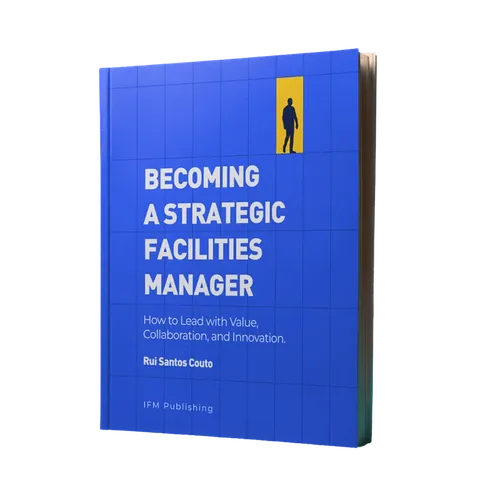 Learn more
To manage contractors well, give every contractor a clear brief, keep their jobs in the same system as your own team’s work, check their paperwork before they arrive and judge them on what their work improves. Most contractor problems start in the gaps between your team and theirs, so close those gaps first.
“Did anyone hear back from the HVAC people?” If that question comes up in your office more than once a week, you already know where contractor management goes wrong. The repair itself is usually fine. The trouble is everything around it: the brief that lived in an email thread, the status update that arrived as a WhatsApp voice note, the invoice that turned up before the job report.
This guide goes through contractor management one stage at a time, from checking a contractor before they start to reviewing how they did, with the questions FM leaders ask at each stage.
Contractor management is everything you do to get work done safely and well by people who aren’t on your payroll: choosing contractors, briefing them, tracking their jobs, checking their compliance and reviewing their performance. In facilities management, that usually means specialists such as HVAC engineers, lift technicians, electricians, cleaning companies and fire safety firms.
It sits next to two related disciplines. Procurement decides who you buy from and at what price. Supplier relationship management looks after the long-term partnership. Contractor management is the day-to-day part: the jobs, the site visits and the paperwork that proves the work was done.
Most contractor problems happen at the handoffs between your team and theirs. Information moves by hand, from a phone call to an email to a spreadsheet, and a bit of it gets lost at every step.
These are the gaps that cause the most trouble:
The brief is incomplete. The technician turns up without the asset’s history, the access code or the name of the person on site.
The status lives in someone’s inbox. The contractor finished on Tuesday, but your helpdesk is still telling the building manager “they’re on it”.
Paperwork arrives late, or not at all. Certificates, risk assessments and job reports sit in email attachments nobody files.
Performance is judged on gut feeling. The contractor everyone likes stays, and the one who sends the most emails gets the blame.
Every new contractor and every new site adds more of these handoffs. The more there are, the more of your team’s week goes on chasing people instead of running the operation.
Before any contractor starts, check that they can do the job safely: qualifications, insurance, references and how they handle health and safety. Then agree the risks of that specific job with them. Doing this properly once saves you from finding a gap in front of an auditor.
A pre-start check covers:
Competence: certifications for the type of work (gas, electrical, lifts, fire systems), plus references from similar sites.
Insurance: the cover your contract requires, with expiry dates you keep track of.
Health and safety: risk assessments and method statements for the job, and who supervises the work on site.
Subcontracting: whether they’ll send their own people or pass the job to someone else.
Site rules: inductions, access, permits to work and who signs them off.
In the UK, the Health and Safety Executive’s guide Using contractors sets out what businesses that hire contractors are expected to do, from choosing a competent contractor to supervising the work.
Keep every document against the contractor’s record with its expiry date, so you see a lapsed certificate before the next job is booked.
A good brief tells the contractor what’s wrong, where it is, which asset is involved and what “done” looks like. The more context they arrive with, the fewer return visits you pay for.
Every brief should include:
The problem, in detail: what was reported, by whom, with photos where you have them.
The asset: make, model, location and maintenance history, including the last time someone worked on it.
Access: site hours, keys or codes, the on-site contact and any permit the job needs.
The definition of done: what the job report must include (photos, readings, parts used) before you sign it off.
Deadlines: the response and resolution times agreed in the contract.
Send the brief as a work order the contractor can update, rather than an email they’ll read once. That way the job, its history and its status stay together.
Track contractor jobs in the same system as your in-house work orders, and have the contractor update the status themselves. When they can’t, your team ends up as the messenger between the contractor and everyone waiting on the job.
In practice, that means:
Contractors run their own jobs: they accept, update and close work orders from their phones on site.
Evidence goes on the job: photos, readings and the job report attach to the work order, so they don’t get lost in an inbox.
Everyone sees the same status: your helpdesk can answer “any news?” without picking up the phone.
Extra work is approved on the job: quotes and sign-offs happen in the same place, so nobody starts a repair nobody approved.
Shared status removes most of the chasing. It also builds the record you need to judge how each contractor performs over time.
Measure contractors on what their work changes in your buildings: fewer repeat failures, assets that stay running, costs that stay in budget and compliance that holds up at audit. Response times and closed tickets show activity, but they won’t tell you whether the boiler that was “fixed” three times last month is any better.
A useful set of measures mixes three kinds:
Activity: response time, resolution time and SLA compliance. Easy to collect, and still worth tracking.
Outcomes: repeat visits to the same asset, asset uptime, cost per job against budget and compliance gaps found at audit.
Experience: what building users and your own team say about working with them.
For the asset side, our guide to maintenance KPIs explains the most common indicators, such as MTTR and MTBF.
Outcome measures only work when you and the contractor look at the same data. A contractor can’t improve a number they never see, and you can’t hold them to one they’ll dispute.
Review your critical contractors on a regular rhythm, such as every quarter, and every contractor before their contract renews. Short, regular reviews built on shared data are easier on everyone than one tense conversation at renewal time.
Bring the numbers from your measures, the incidents worth talking about and anything that changed on your side, such as a new site or new opening hours. Ask the contractor what slows them down, too. A missing asset history or an approval that takes a week is a problem on your side, and it still shows up in their numbers.
Reviews feed straight into contracts. Our guide to contract lifecycle management covers how to keep renewals, terms and service levels under control from signature to expiry.
Yes. FM software that brings contractors into the same system as your team removes most of the handoffs that cause trouble: briefs, status updates, paperwork and performance data sit in one place both sides can see.
Whatever tool you choose, check three things: contractors can update their own jobs, documents stay with the job, and performance data is shared by both sides.
In Infraspeak, the collaborative FM platform, that’s the job of Infraspeak Network. It connects your operation and your suppliers’ operations in a single workspace, with real-time updates and in-app messages in place of email threads, and reports that show how each supplier really performs.
See how Infraspeak Network brings your contractors into your operation
In FM, a supplier usually sells you goods, such as spare parts and consumables, while a contractor does work for you on site. Many companies do both, which is why the two words often get used for the same thing.
Both of you. The contractor is responsible for how their people do the work, and you’re responsible for your site and for choosing and overseeing a competent contractor. In the UK, the HSE’s guide to using contractors explains what that means in practice.
It depends on how specialised the work is, how much of it there is and how fast you need a response. A common setup is a mix: in-house technicians for day-to-day jobs and contractors for specialist or regulated systems. Our article on outsourcing maintenance services weighs up the pros and cons.
They need access to the jobs you give them, and nothing more. A good setup lets contractors see and update their own work orders, upload reports and send quotes, while your team keeps control of everything else.

Infraspeak Platform
Capabilities
Industries
Resources


