Your AI made a chart. It should have made the work order.
Less time feeding the system, more time running the operation.

Less time feeding the system, more time running the operation.

It's time to break the reactive loop. Becoming a Strategic Facilities Manager shows you how.
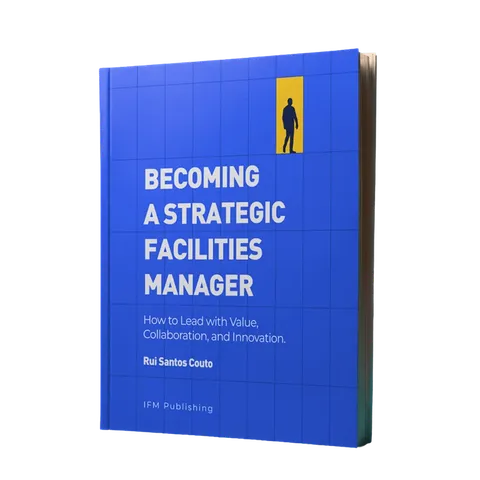 Learn more
Count the dashboards you open every morning. Now count how many changed what you did next.
The numbers rarely match, and that isn't a discipline problem. For a few years the industry's answer to admin overload has been more screens: another panel to check, another alert to triage. Every new tool promises intelligence and delivers one more inbox.
Those tools all produce information. None of them does the next bit. The AI flags the anomaly and stops there. Someone still raises the work order, finds the technician, attaches the document, chases the deadline.
Useful AI closes the loop: it predicts, triggers the action, and improves its own data on the way through.
In FM, that gets specific fast. Two jobs that happen dozens of times a month in any operation running more than a handful of sites.
Today: you open it, check the expiry date, work out which asset it belongs to, rename the file, upload it, and set yourself a reminder for eleven months' time. Four minutes, maybe six. Multiply that by every extinguisher service, lift inspection and PAT test across the portfolio.
With AI that acts: the certificate gets read on arrival, the expiry date extracted, the document filed against the asset, and the renewal already scheduled. You see that it happened. You don't do it.
Today: you read the report, decide what's urgent, raise three work orders, categorise each one, assign them, then try to remember to check next week whether the supplier turned up.
With AI that acts: the work orders exist, priority and category already set, routed to whoever handles that asset class, follow-up scheduled. Your job starts where it should: deciding whether those priorities are the right ones.
Automating the execution isn't the same as handing over the judgement.
Every suggestion can be accepted or rejected. The automation takes the repetitive part: routing, logging, attaching, chasing. The decision stays with you.
It's a line the full-autonomy crowd can't draw. An FM operation doesn't have one right answer: the same fault gets a different response depending on the site, the contract, the client, and what else is broken that week. AI deciding on its own, without that context, will eventually make the wrong call on your behalf.
Worth saying plainly, because most vendors won't: none of the above needs new hardware.
Certificates, inspection reports, work order history, asset records. The data is already in your operation, most of it sitting in inboxes and shared folders. Anyone telling you predictive FM begins with an IoT rollout is describing their own architecture, not your options. Sensors are a good upgrade. They're a poor prerequisite.
Gear AI works on three fronts, all inside the workflow your team already uses. Automations route tasks, create records and fire off follow-ups without anyone typing a thing. Suggestions arrive in the context of the work order itself, accepted around 75% of the time: trusted enough to act on, never forced. Alerts flag overdue maintenance, anomalies and recurring patterns early, where the work happens.
Millions of automations are already running.
Less time feeding the system, more time running the operation.
Adoption sticks for one reason: the tool takes work away before it asks for trust. Nobody has to believe a promise when the work order raises itself and the certificate files itself. The value shows up in week one.
The numbers follow: up to 8 hours a week back from admin, and MTTR down by up to 83% once jobs stop waiting between steps.
Bring a certificate and an inspection report from last month, and watch what Gear AI does with them. Book a demo.


)
)
)