Shopping centre car parks deserve revenue centre status
Parking is one of the most overlooked lines on a shopping centre's P&L. See how to treat the car park as a revenue centre, not just a maintenance job.

Parking is one of the most overlooked lines on a shopping centre's P&L. See how to treat the car park as a revenue centre, not just a maintenance job.

It's time to break the reactive loop. Becoming a Strategic Facilities Manager shows you how.
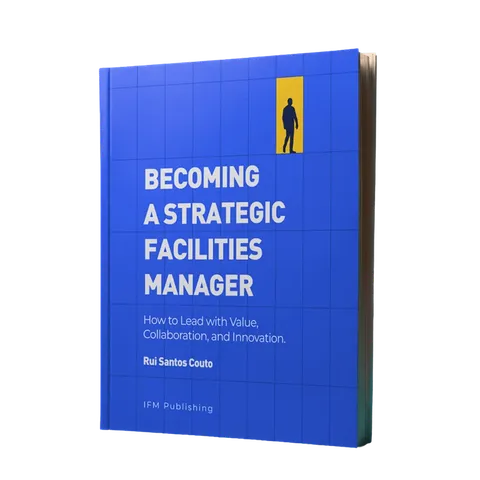 Learn more
For decades, parking sat in the "free amenity" column of shopping centre management. Visitors expected it. Nobody paid it much attention beyond keeping the barriers up and running. That's changing. As the International Council of Shopping Centers points out, most retail landlords track data on everything except what's happening in their own car park.
It's one of the few parts of the site with genuine, untapped upside for net operating income, sitting there largely unmonitored. A broken barrier or a badly signposted space costs real money the moment it happens, not just a complaint further down the line.
A queue at the entrance. A barrier stuck shut. Poor lighting. Confusing signage. All of it happens before a visitor sets foot in a single shop. And all of it shapes something that matters well beyond that first impression: whether they come back, and whether they tell anyone else to bother. Barriers and payment systems sit at the centre of both problems at once, the goodwill one and the harder, more direct one: a shopping centre losing money it should be collecting.
Some shopping centres charge for parking outright, chasing turnover and keeping barrier downtime to a minimum. Others leave it free, treating the cost as the price of pulling visitors in, and recovering the investment indirectly through footfall inside the building. Free car parks come with their own discipline too: keep spaces available, and never let the car park itself become the bottleneck at the front door.
Either way, the same three things decide whether it works: barriers, payment systems, and signage.
A proper daily walk-round of the car park covers:
lighting (dark areas put visitors off, especially after dark);
flooring and columns (damage carries accident risk, and liability for it typically sits with the shopping centre regardless of fault);
pipework (an untreated leak can take spaces out of use);
signage (confusing routes create friction before anyone's even parked).
There's one more habit worth building: give every intervention on a barrier, payment terminal or automation system its own history, tracked by zone. A generic, unlocated work order can't tell you whether the same spot keeps failing. A zone-tagged one can.
Treating the car park as a revenue centre, not just a maintenance job, changes the question the operation asks. Instead of "is the barrier working?", the right question is "how much uncaptured revenue is that stuck barrier costing, right now?"
Getting there takes the same operational discipline that applies everywhere else on site. Work out which assets are genuinely critical to keeping things running. Hold suppliers to evidence, not good faith. And put an actual number on what an unresolved fault is costing, rather than leaving it as a vague sense that something should probably get fixed.
If your record of barrier and payment-system failures is still scattered across generic work orders, Infraspeak organises it by car park zone, with geolocation and its own history for every piece of equipment.
Talk to a specialist and find out how to turn the car park from a source of friction into a revenue centre: book a demo.


)
)
)