Guide to the ISO 9000 standards
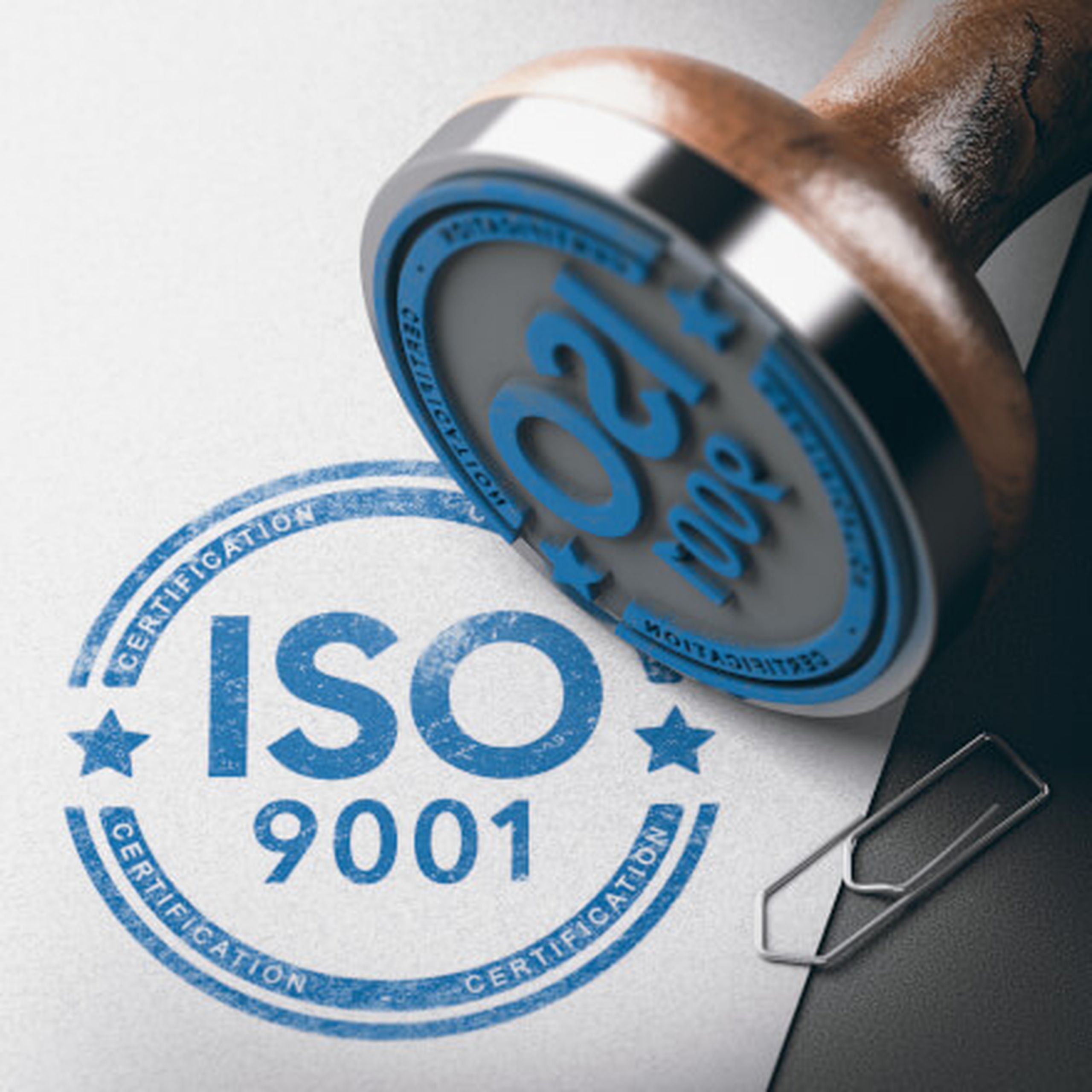
ISO 9000 is made up of a set of quality management standards for companies of all sectors and sizes.

ISO 9000 is made up of a set of quality management standards for companies of all sectors and sizes.
It's time to break the reactive loop. Becoming a Strategic Facilities Manager shows you how.
 Learn more
A company's success is directly tied to the quality of its products or services. But how do you convince new customers that they can trust what your company offers? Since the concept of quality can be very subjective, quality certifications and standards can be a good path to commercial success and a guarantee of credibility.
ISO 9000 is one of these certifications. It is made up of a set of quality management standards for companies of all sectors and sizes, setting out processes to ensure production quality.
ISO stands for the International Organization for Standardization. The organisation was founded in 1947 and brought together authorities from 65 countries to discuss criteria and standards for certifying the quality of industry.
ISO has three classifications: Technical Standards, Classification and Procedural Standards. ISO 9000 falls into the Procedural Standards type, for quality management of production processes.
This standard is very important for a company that wants to stay in the market for the long term. After all, quality is a decisive factor when choosing a supplier, and it also increases a company's credibility in a market full of competitors chasing the same customer. Some companies even require ISO standardisation before signing contracts with their suppliers.
The standard also helps optimise production processes, resulting in good communication and financial and resource optimisation. For companies that use asset management software, ISO 9000 complements these digital tools in ensuring process quality. As well as being important for efficient quality management, it supports companies' internationalisation, since it is recognised worldwide. ISO 9000 brings together 4 other standards, which we'll cover below, and can be applied in companies of all sectors. It does not certify the quality of the products or services themselves but, rather, guarantees the quality of process management.
To talk about ISO 9000, we have to mention the Quality Management System.
A Quality Management System brings together all the processes that guarantee a company's quality, whether in production, sales or administration. Used intelligently within the company, this tool can help build quality assurance intelligence, with standardised processes, a history of results from actions taken and, of course, customer satisfaction feedback. To make this process easier, many companies turn to compliance management software that automates and monitors compliance with the standards. Implementing CMMS software can be a valuable tool for companies seeking ISO 9000 certification, helping to standardise and control the quality of maintenance processes and contributing to building this quality assurance intelligence.
The ISO 9000 standard guides which types of actions quality management should carry out, as it directly influences the improvement of a company's internal procedures.
The first standard in the ISO 9000 family is ISO 9001. More than one million companies worldwide are already certified to this standard.
One of its main purposes is to guarantee the quality of the production process and, consequently, that the products of a certified company go through a consistent production process, ensuring the quality of the product delivered.
Companies that implement facility management software can benefit significantly from ISO 9000 certification to standardise and guarantee the quality of their management processes, ensuring the consistency the standard requires.
ISO 9001 can be applied in companies of any sector or size, whether public or private. A company certified to ISO 9001 is able to carry out the PDCA cycle, which stands for Plan, Do, Check, Act. Created in the 1920s, it is still used today as a process that supports companies' quality management.
ISO 9002, being very similar to ISO 9001, was withdrawn from this family of standards in 2000. It covered the standardisation of contract creation and review, statistical techniques and product maintenance within a pre-established model. ISO 9001 ended up absorbing these points.
ISO 9003 is another standard that has been incorporated into ISO 9001 since 2000. It standardised quality testing models and final inspections of products made by a company. It is a standard that disregards planning and the production process when certifying quality and focuses instead on evaluating the final product.
ISO 9004 is considered by many experts to be the standard that shows the true path to success in a company's production processes. Following the whole premise of the ISO 9000 family, it aims to improve overall performance, involving everyone responsible for its management.
It extends quality management process guidelines to all the company's stakeholders, such as employees, top management, suppliers, society in general and, of course, customers. It helps the organisation more easily identify the expectations of these parties involved throughout the production process.
Combining field service management software with the ISO 9000 standards can provide more robust and efficient quality management for service companies, especially when it comes to managing the expectations of all the stakeholders involved.
ISO 9004 is based on three principles: continuous improvement, resource optimisation and leadership development. As a result, it helps improve employee satisfaction and development, as well as the technical and management growth of leadership.
It also certifies a company for sustainable and environmental good practices. In other words, the planet and society are grateful.
Convinced that quality management can bring countless benefits to your company and production process? Then it's time to prepare for certification. This process requires a major cultural and management shift across every area of the company.
You need to start with planning that defines which changes will be adopted, setting achievable goals in line with your company's reality. Based on this plan, the Quality Management System should be implemented throughout the production process.
For companies that already use tools such as inventory management software in their processes, ISO 9000 certification can complement and validate the quality of these management systems while the Quality Management System is being implemented.
It's important for this process to be led by a team responsible for fully understanding the certification requirements, who will guide leaders and employees through these changes. This team will carry out internal audits, which will help identify possible gaps in the process.
Finally, when everything is as expected, you should hire an ISO-accredited company to carry out the final audit, which will grant, or not, the ISO 9000 certificate.
Organisations that use CAFM software can integrate ISO 9000 principles to further improve the quality of their facility management processes, preparing properly for the final certification audit.
ISO 9000 certification brings advantages for the company and everyone involved. It offers benefits not only to customers – who get a guarantee of the supplier's quality – but also to employees, who will have better working conditions and clear processes for carrying out tasks. As they are essential to obtaining certification, they need ongoing training and upskilling.
The ISO 9000 standard is a solid certification that improves the company's reputation – which helps a lot when winning new customers. In addition, improved quality management processes make the workplace more pleasant, reducing financial and human losses, with a direct impact on society and the environment.

IFM Innovators ProgrammeA free 4-week course for better FM and maintenance professionals Sign me up


)
)
)