All About Greenfield and Brownfield Projects
There is a big difference between projects that serve Maintenance and those that cover Facilities, whether they are Greenfield or Brownfield projects.

There is a big difference between projects that serve Maintenance and those that cover Facilities, whether they are Greenfield or Brownfield projects.
It's time to break the reactive loop. Becoming a Strategic Facilities Manager shows you how.
 Learn more
I'm often asked, in postgraduate classes, during talks and even on social media, what the fundamental differences are between the approaches to take when we need to organise a Maintenance area or a Facilities area. The answer I always have on the tip of my tongue is that it depends on whether the organisation work concerns Greenfield or Brownfield projects.
A quick note here. These English terms are widely used to describe a project for a brand-new installation (greenfield) and a project for something already in use (brownfield). The images are telling: a “green field” is untouched land, overgrown and never worked, while a “brown field” is land that has already been worked and harvested.
There is also a big difference between projects that serve Maintenance and those that cover Facilities, whether they are brownfield or greenfield. The responsibilities are significant in both areas, and the organisational approach varies a lot depending on the type of facility and the people it serves, especially when considering the implementation of a facility management software. Let's get into the details.
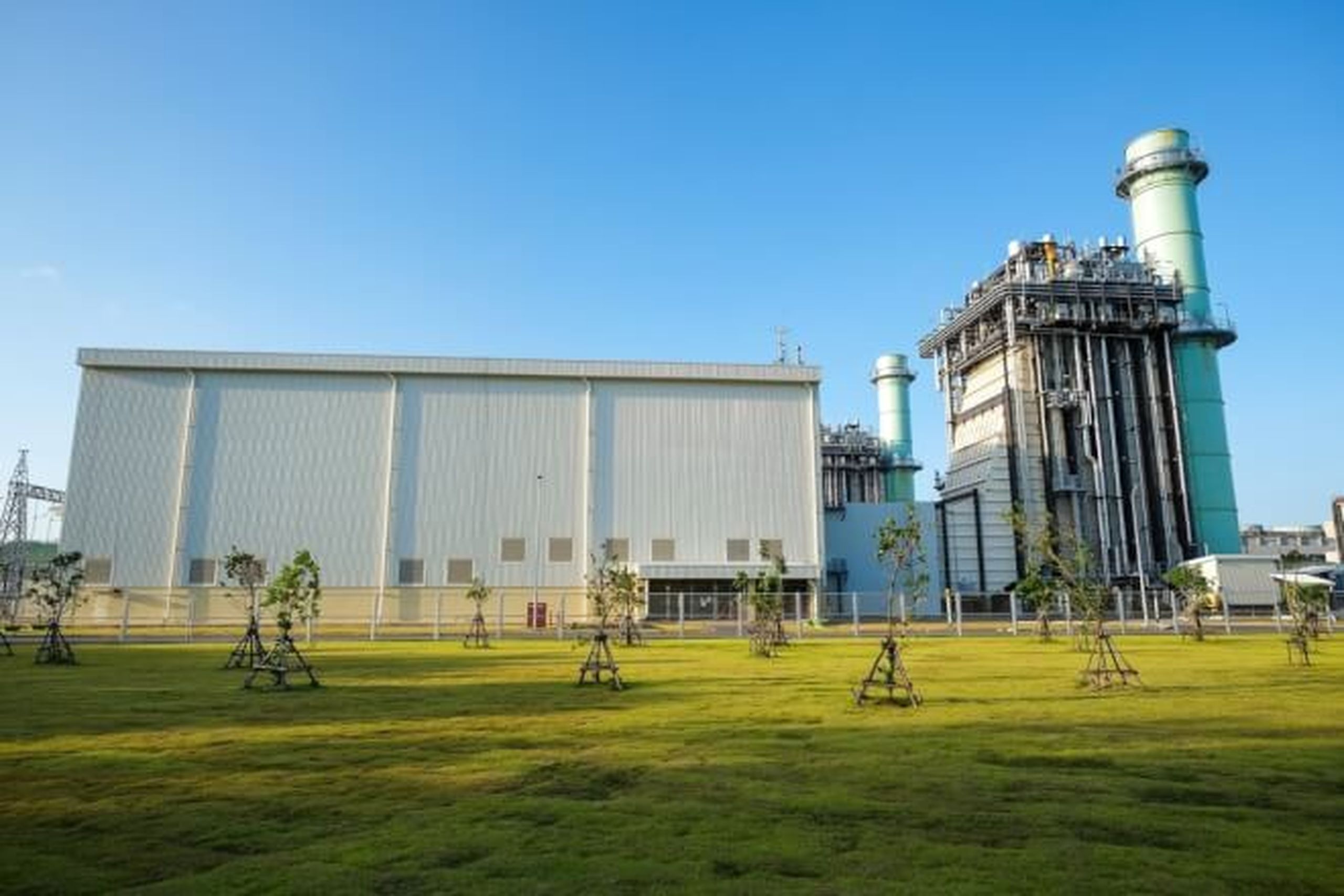
In Facilities or Maintenance, greenfield work means starting from scratch. The house will be built and, once it is handed over, we are the ones who choose the furniture and fittings. The “decoration” must respect the building's characteristics, what is expected from the facilities, and the kind of people who will use or live in them.
What goes into the house must also take into account the location and the region's climate. And everything we put into use, from the simplest accessories, such as the doormat, to the level of sophistication of the building automation that switches on the lights or a microwave that turns on automatically at a set time.
In a “brand-new” project we draw on references and experience from other jobs, but we get the chance to create something without having to change or remove what was already in use. There is no resistance to overcome, no modus operandi to rework.
Projects that start from zero allow us, when there are resources and proper planning, to introduce new cultures, customised processes and routines, and our own values and ways of working. With the corporate guidelines in hand, it is possible to adapt and implement specific methodologies and routines. The company, the assets and the services get up and running, and Facilities and Maintenance interact with the new, contributing to putting it into practice.
In this context of proper planning and corporate guidelines, efficiently managing Greenfield and Brownfield projects in Maintenance and Facilities requires the right tools, including inventory management software to control materials and spare parts from the very start of operations.
A good Master Plan, whether for Facilities or Maintenance, should therefore be built with a vision of the future aligned with the company's goals and targets. At this stage, choosing the right computerised systems to use, such as CMMS software, is a crucial point to consider.
data management;
information generation;
controls;
faster processes;
knowledge retention;
document management;
resource management;
people management;
These are fundamental aspects for the success of the organisation in question.
In my opinion, this work should be done by specialists, because it is an opportunity for a so-called vertical start-up, when the company starts operating at full capacity and smoothly reaches cruising speed, as planned. I particularly love taking part in this type of work, because it is a chance to use all the knowledge I've gained, with the possibility of making innovation happen from the very beginning of operations.
To achieve this vertical start-up and optimise field operations in Maintenance and Facilities projects, it is essential to have field service management software that allows you to coordinate teams and external activities with the efficiency needed to reach the planned cruising speed.
It is common for organisations, as life goes on, to need to reorganise their areas from time to time to get everything aligned again. Some people call this, in popular jargon, a reset.
The different departments tend to create their own cultures and processes, sometimes drifting away from the real goals and needs of the organisation they belong to and should serve. This isolation effect, this departmentalisation, has several harmful effects and one root cause: lack of communication. That is when change is necessary and, at times, crucial for survival.
In this case, typical of a brownfield project, Facilities or Maintenance are not starting from scratch. There is already a “way” of doing things and a structure that runs day-to-day operations. The house is already furnished. The arrangement may even be bad, but it is a reality. So there is a need to review concepts, tools, processes, controls, targets, goals and indicators. Often, what was in use has to be removed, and then there is resistance to overcome and even people to replace.
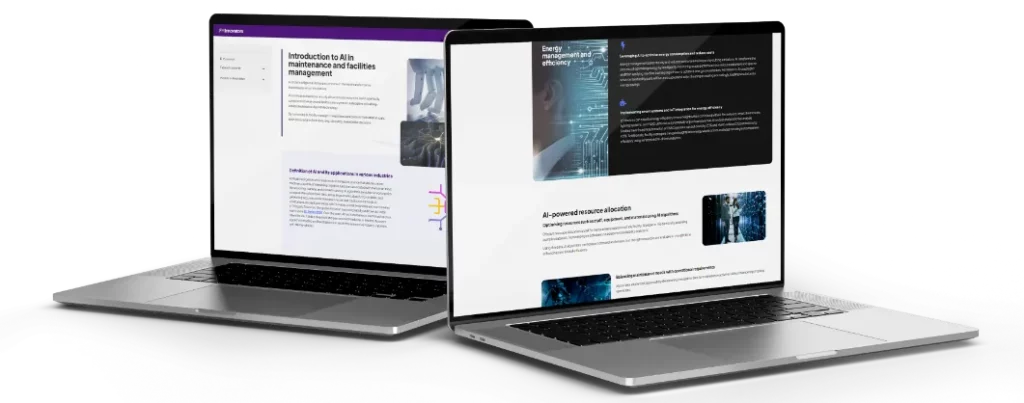
In this reality of a furnished house that needs to be reorganised, implementing CAFM software can be key to the success of Brownfield projects in Facilities management, easing the transition between what was in use and the new processes.
Changing the culture is not easy at all. Reorganising the Facilities and Maintenance areas will only succeed if there is engagement and direction from top management.
From field experience, I can say that the messier the area, whether Facilities or Maintenance, the easier it is to undo and redo. When the situation is really bad, the new is welcome and less contested.
On the other hand, in situations where results only need to improve a little, the incremental change that high-performing companies need, new ideas face a lot of pushback.
In any situation, in brownfield projects, the recommended first step is to carry out an A&D – Analysis & Diagnosis that produces a Master Plan, setting out the path to follow in establishing the mission and vision, valuing people, defining budgets with timeframes and amounts suited to the challenges and responsibilities, prioritising the techniques to apply day to day, managing partnerships with third parties, achieving the best possible performance for equipment and production systems, and respecting environmental, safety, quality and social responsibility standards.
To support this comprehensive Master Plan, using compliance software is essential to ensure compliance with the environmental, safety, quality and social responsibility standards mentioned, whether we are dealing with Greenfield or Brownfield projects.
No matter what the company does or produces, every day is a day to review processes and innovate. In the challenging global context our companies face, the Maintenance and Facilities Management functions must be permanently committed to continuously improving Asset Management performance, supported by suitable asset management software. (Asset Management.)
All efforts and structure should be aimed at serving internal and external customers, achieving the satisfaction not only of the Operations/Production team but also of the so-called stakeholders and other areas such as HR, Procurement, Environment and Occupational Safety.
The team must be the right fit, whether in the start-up phase or in the review phase.
Here on this Blog we have already touched on Business-Centred Maintenance (BCM). The insights shared apply to both Maintenance and Facilities. It's worth reading to understand the critical points that no organisation work can do without:
Organisational Alignment;
Effectiveness and Reliability;
Costs and Budget;
Planning and Management Information Systems;
Quality, Safety and Environment;
External and Internal Relations;
People Management;
Logistics and Procurement;
Internal Organisation (functional structures, resources);
Continuous Improvement.
The topic of how best to organise Facilities and Maintenance is very broad. It cannot be covered in a single short text like this one. We will come back to dissect this topic, so sensitive for management professionals, including the national and international standards that treat Facilities and Maintenance differently.
Finally, you're invited to follow us on the podcasts where I talk about this and other topics of interest to anyone working in this fascinating world called Facilities Management.


)
)
)