Obligations and best practice for compliance in Brazilian shopping centres
Which regulations affect shopping centres in Brazil? Fire safety, HVAC, workplace safety, accessibility and documentation all demand control, evidence and traceability.

Which regulations affect shopping centres in Brazil? Fire safety, HVAC, workplace safety, accessibility and documentation all demand control, evidence and traceability.

It's time to break the reactive loop. Becoming a Strategic Facilities Manager shows you how.
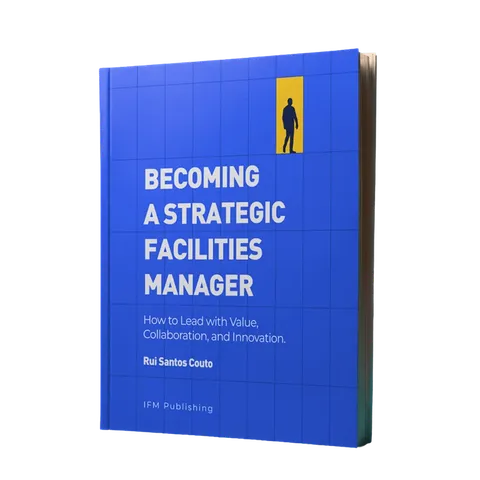 Learn more
This article covers the regulatory obligations that apply specifically to shopping centres in Brazil. The categories, fines and stakes will look familiar to anyone running a shopping centre anywhere, but the codes and acronyms referenced (AVCB, PMOC, NR-10, NR-35, NBR 9050) are Brazilian.
Compliance in shopping centres is about far more than dodging fines or ticking a legal box. Done properly, it protects visitors, tenants, staff, revenue and the continuity of the operation itself. A typical Brazilian shopping centre keeps around 40 mandatory documents active at any one time, each with its own expiry date to track.
When a critical obligation slips, the fallout can range from closure orders and cancelled events to legal exposure, insurance disputes, reputational damage and tenants losing confidence in the landlord. In Brazil, that liability lands personally and civilly on the on-site operations manager (known locally as the GEOP), not on the management company.
So the real question isn't just which obligations exist. It's which operational risks show up when one of them slips, and who ends up carrying the consequences.
This article covers five areas that deserve close attention from shopping centre operations leadership:
Facilities management plays a central role here, tying maintenance, suppliers, inspections, documentation and evidence into a single compliance strategy.
A single shopping centre can generate thousands of maintenance, inspection and evidence records a year, across assets, suppliers and common areas. No team can audit that volume item by item, by hand, without gaps slipping through.
Compliance area | Why it matters | How to address it | How Infraspeak helps |
|---|---|---|---|
Fire safety certification | Directly affects public safety and operational continuity. Failures can mean closure orders, blocked events, fines and reputational damage. | Track certificate validity, inspections, escape routes, extinguishers, hydrants, alarms, emergency lighting, sprinklers and evidence. | Schedules inspections, links tasks to assets, logs evidence, tracks expiry dates and keeps a central record of everything completed. |
HVAC maintenance and air quality | Climate control shapes comfort, dwell time, air quality, energy efficiency and experience in areas like food courts, cinemas and event spaces. | Treat HVAC maintenance as a continuous routine, not a one-off: preventive plans, measurements, cleaning, service history and zone-level tracking. | Organises preventive plans, generates recurring work orders, logs evidence and tracks HVAC history by asset and area. |
Critical work and contractors | Electrical work, work at height, construction, events and critical maintenance all raise legal, labour and operational exposure. | Standardise authorisation, execution, sign-off and evidence for critical work, whether it's done in-house or by contractors. | Centralises suppliers, SLAs, permits, checklists, evidence and tasks tied to critical work. |
Accessibility | Accessibility affects experience, inclusion, reputation and legal risk. Lifts, ramps, accessible toilets, parking and signage all need to keep working. | Monitor accessible routes, lift availability, accessible toilets, signage, parking and related call-outs. | Schedules inspections, logs non-conformances, tracks resolution and keeps maintenance evidence for accessibility-related assets. |
Traceability, audits and documentation | Doing the work isn't enough: audits require proof it was done. Missing evidence increases exposure in audits, claims and disputes. | Centralise documents, contracts, reports, licences, photos, checklists, work orders and expiry dates in one place. | Builds an auditable operational trail linking assets, tasks, documents, suppliers, people and evidence. |
The AVCB (Auto de Vistoria do Corpo de Bombeiros, Brazil's fire brigade inspection certificate) is one of the most critical requirements for keeping a shopping centre running. Let it lapse, or fail to have one at all, and you're looking at operating restrictions, cancelled events, legal exposure, potentially even a closed building.
The main risks sit around:
expired extinguishers;
hydrants with no maintenance record;
emergency lighting that doesn't work;
faulty alarms;
blocked escape routes;
inspections that never happened.
Owning the kit was never the hard part. Proving it's available, inspected and properly documented is where things fall down.
How to manage the risk:
schedule regular inspections;
track certificate and equipment expiry;
log evidence for every task completed;
follow non-conformances through to resolution.
That's the foundation for keeping AVCB compliance under control. In practice, the most common failure mode isn't dramatic: it's a certificate that lapsed months ago and nobody noticed, until an inspector turned up.
Infraspeak fixes this by linking inspections and maintenance plans directly to each asset, with automatic alerts before expiry, not after it.
Climate control is part of the visitor experience. Thermal comfort shapes how long people stay, how satisfied they are, and how much they spend.
That's why PMOC (Plano de Manutenção, Operação e Controle, Brazil's mandatory HVAC maintenance and air quality programme) feeds directly into operational performance, energy efficiency and overall experience.
The main risks include:
poor air quality;
rising complaints;
excessive energy consumption;
recurring HVAC faults;
regulatory exposure.
PMOC and air quality matter most in areas like food courts, cinemas, events and anywhere footfall is heaviest.
How to manage the risk:
keep preventive plans current;
track inspections and cleaning;
log measurements and interventions;
keep a history by piece of equipment.
Take the chiller plant, sometimes called the CAG in Brazil, as an example: when it develops a fault, the effect shows up across several areas of the shopping centre at once, which is why asset-level history matters as much as the maintenance itself.
Infraspeak organises that history and raises work orders automatically, without relying on someone remembering to log the call-out.
Most of the work carried out in a shopping centre involves external suppliers. Electrical installations, work at height, construction, event build, specialist services: all of it raises the operation's exposure.
This sits inside the wider safety picture too, particularly in a building with heavy footfall.
That's why NR-10 (electrical safety) and NR-35 (work at height) need to be treated as part of operational governance, not paperwork to file away. The main risks include:
accidents involving contractors;
unauthorised work;
expired documentation;
missing evidence;
gaps in supervision.
This is one of the areas where facilities management and compliance overlap most obviously.
How to manage the risk:
control work permits;
standardise safety checklists;
monitor supplier documentation;
log who's responsible, with evidence.
Infraspeak centralises suppliers, SLAs, permits, checklists, evidence and tasks tied to critical work, worth remembering when things move fast.
Accessibility shapes experience, reputation and inclusion all at once.
NBR 9050, Brazil's accessibility standard, sets requirements covering circulation, signage, accessible toilets, lifts, reserved parking and everything else that determines whether every visitor can actually get around.
The main risks include:
lifts out of service;
broken accessible routes;
poor signage;
toilets out of order;
complaints and legal exposure.
How to manage the risk:
run recurring inspections;
monitor accessibility-related assets;
log non-conformances;
keep corrections traceable.
Infraspeak helps track inspections, log incidents and maintain a service history for assets tied to accessibility.
The record matters as much as the work itself: without proof of execution, an audit treats a job as though it never happened. But an attachment on file doesn't guarantee anyone actually checked it.
It happens more often than you'd think: a work order gets closed with a photo attached showing the reported fault fixed, while something far more serious, visible in that same photo, goes unnoticed because nobody opened it to look properly.
Every audit in a shopping centre comes down to one thing: can the operation prove critical processes were carried out correctly and on time? Without solid records, the business can come unstuck in audits, insurance claims, litigation or negotiations with insurers.
The main documents involved are technical reports, ARTs (the Brazilian engineer's certificate of technical responsibility), licences, contracts, checklists, work orders, photo evidence and inspection certificates.
Operational documentation needs to be organised and accessible enough for the team to respond quickly to audits and requests. It's a familiar scene: the holding company asks for a performance report (in Brazil, the monthly RGD), and the answer takes days to pull together from systems that don't talk to each other, finance, operations and security all working in their own silo, and the numbers still don't match once it's done.
How to manage the risk:
centralise documents in one system;
link documents to assets and suppliers;
automate expiry alerts;
keep a full execution history.
This is where the Infraspeak platform builds an auditable trail, connecting assets, tasks, suppliers, people, documents and evidence.
The most strategic operators treat compliance as part of risk management, not as a box-ticking exercise on the side. To see how compliance connects to infrastructure, experience, suppliers and operations more broadly, read the guide Operational management for shopping centres: how to improve infrastructure, experience and performance.
If your team is still relying on spreadsheets, emails and multiple systems to keep track of inspections, documents and suppliers, it might be time to rethink your compliance strategy.
Talk to an Infraspeak specialist about turning compliance into an operational advantage: book a demo.
What are the main compliance obligations for shopping centres in Brazil?
The most critical usually involve fire safety certification (AVCB), HVAC maintenance (PMOC), work regulated under NR-10 and NR-35, accessibility, document management and traceability of operational evidence.
How should shopping centres manage documents and audits?
The best approach is to centralise documents, reports, contracts, inspections and evidence in one system, with automatic expiry alerts and a full execution history.
Which safety regulations affect shopping centres in Brazil?
Depending on the operation, the key ones are AVCB, PMOC, NR-10, NR-35, the NBR 9050 accessibility standard, and other requirements tied to the safety of the building and the public.


)
)
)